
Focus on the New Chapter in the Biomass-to-SAF Industry | Chairman Zhang Shoujun Invited to Attend a Specialized Seminar in Nanjing
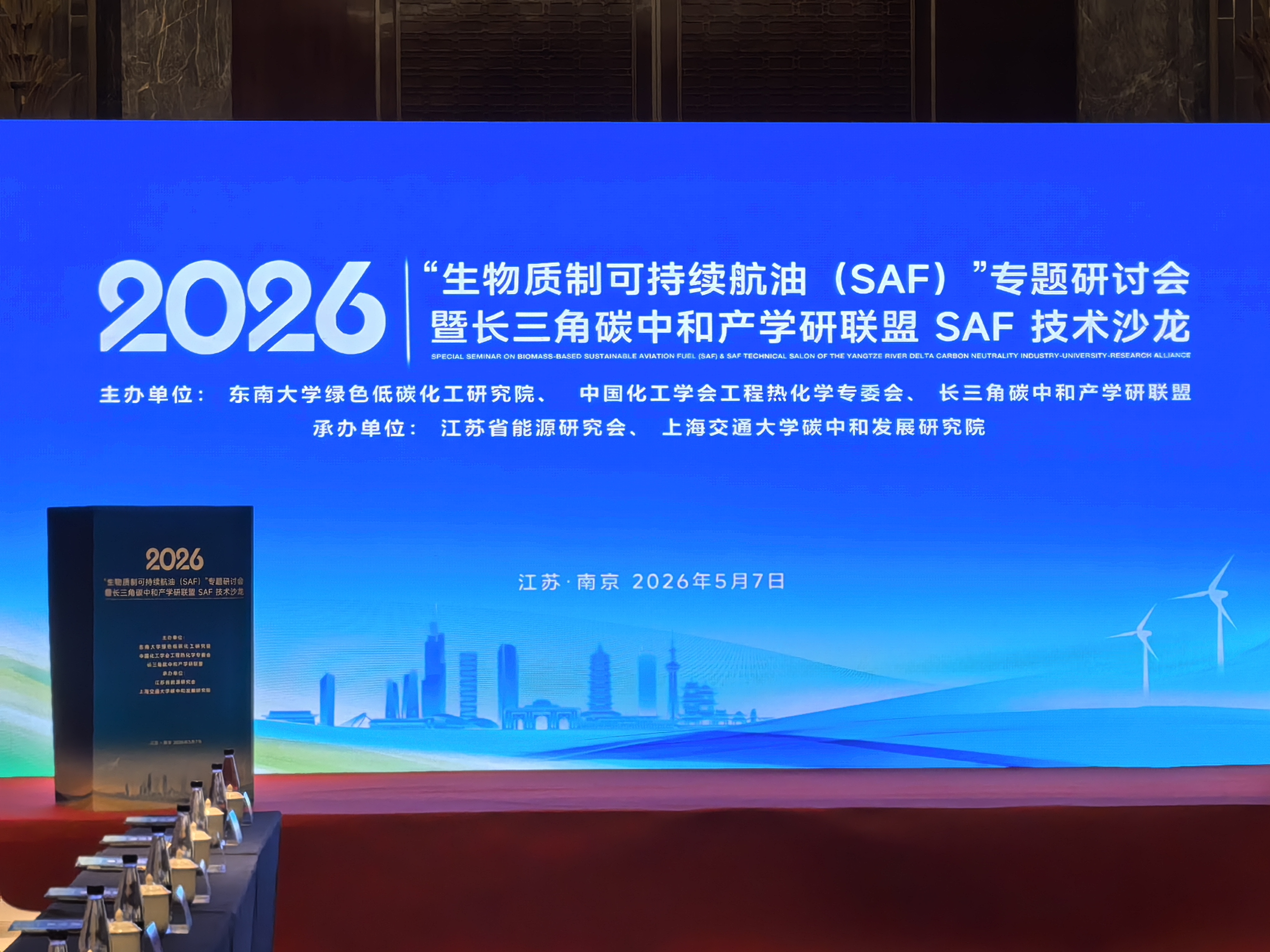
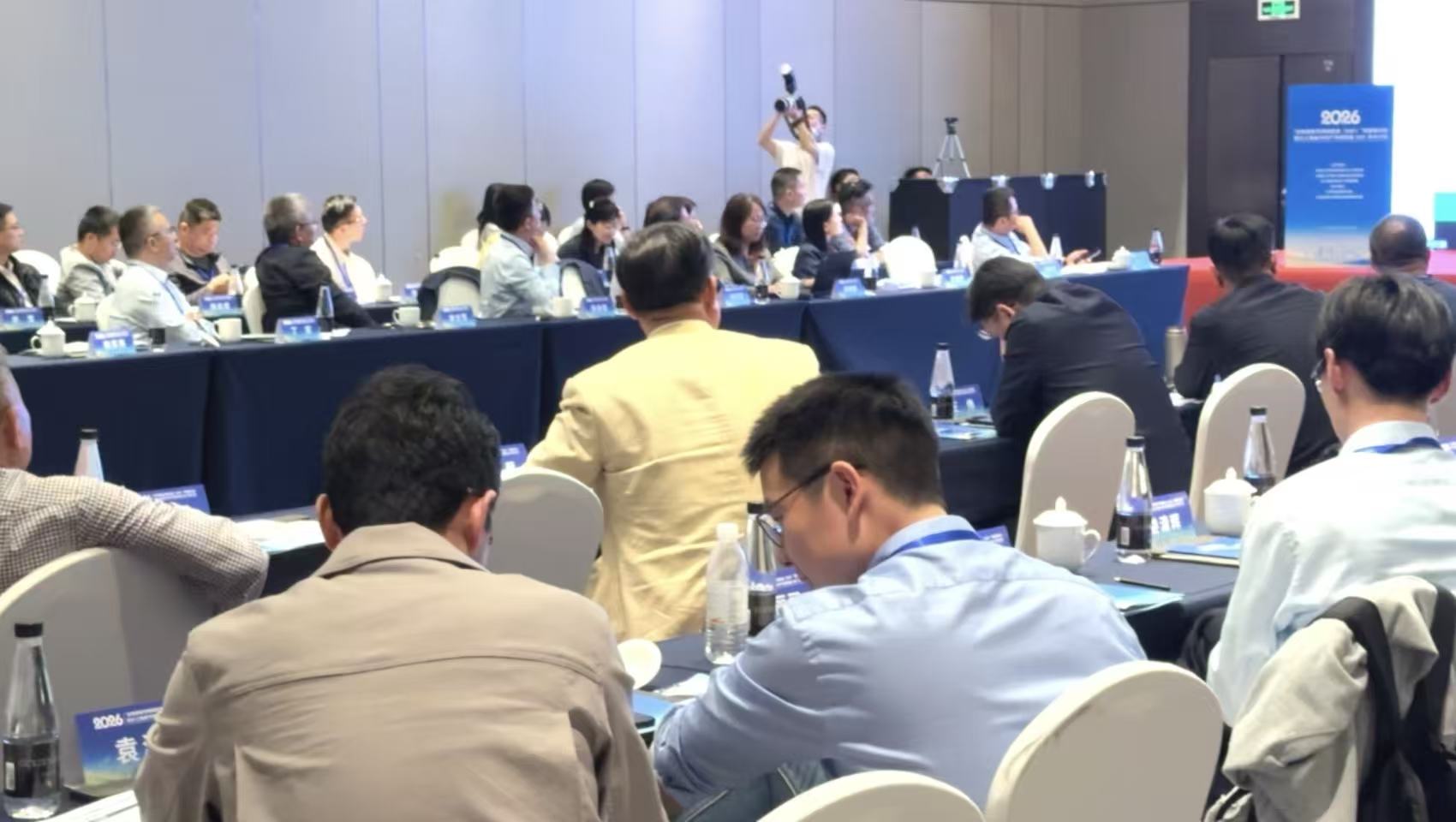
On May 7, a symposium on “Sustainable Aviation Fuel (SAF) from Biomass” and the SAF Technology Salon of the Yangtze River Delta Carbon Neutrality Industry-Academia-Research Alliance were held at Southeast University. Academician Jiang Jianchun of the Chinese Academy of Engineering and the Nanjing Institute of Forest Chemistry attended the event. Professor Xiao Rui, Dean of the School of Energy and Environment at Southeast University and a professor at the University’s Institute of Green and Low-Carbon Chemical Engineering, presided over the meeting. Hefei Debo was invited to attend the event.
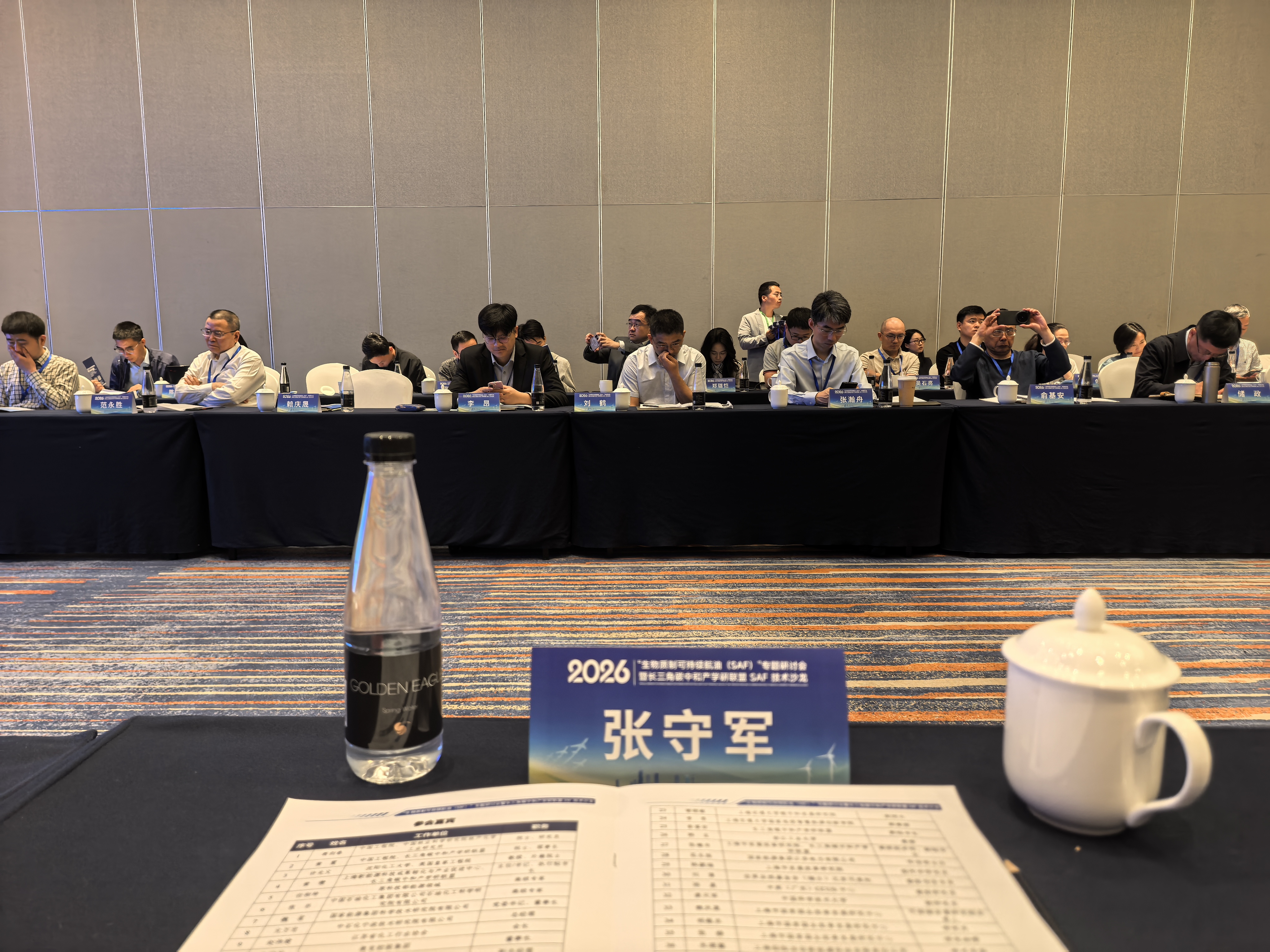
Shanghai Jiao Tong University, the University of Science and Technology of China, Shenyang University of Chemical Technology, and other research institutions; State Energy Group, Sinopec, PetroChina, Huaneng, Jiangsu Guoxin, Datang, China Energy Engineering Group, State Grid, China Energy Engineering Group, the National Green Development Fund, the Yangtze River Delta Carbon Neutrality Industry-Academia-Research Alliance, the Jiangsu Energy Research Association, the Shanghai New Energy Technology Transfer and Industrial Promotion Center, the Shanghai Development and Reform Research Institute, the Shanghai State-owned Assets and Enterprises Reform and Development Research Center, the Jiangsu Chemical Industry Association, the Sino-British (Guangdong) CCUS Center, and the World Wide Fund for Nature (Switzerland) Beijing Office.
The seven thematic presentations at this symposium comprehensively covered the cutting-edge developments in sustainable aviation fuel (SAF) production from biomass, ranging from feedstock preparation and diverse technological pathways to industrialization practices. Additionally, the event reviewed state-of-the-art technologies and industrial case studies, providing clear guidance and a foundation for industry-academia-research collaboration to support the diversified and industrialized development of biomass SAF technology in China.
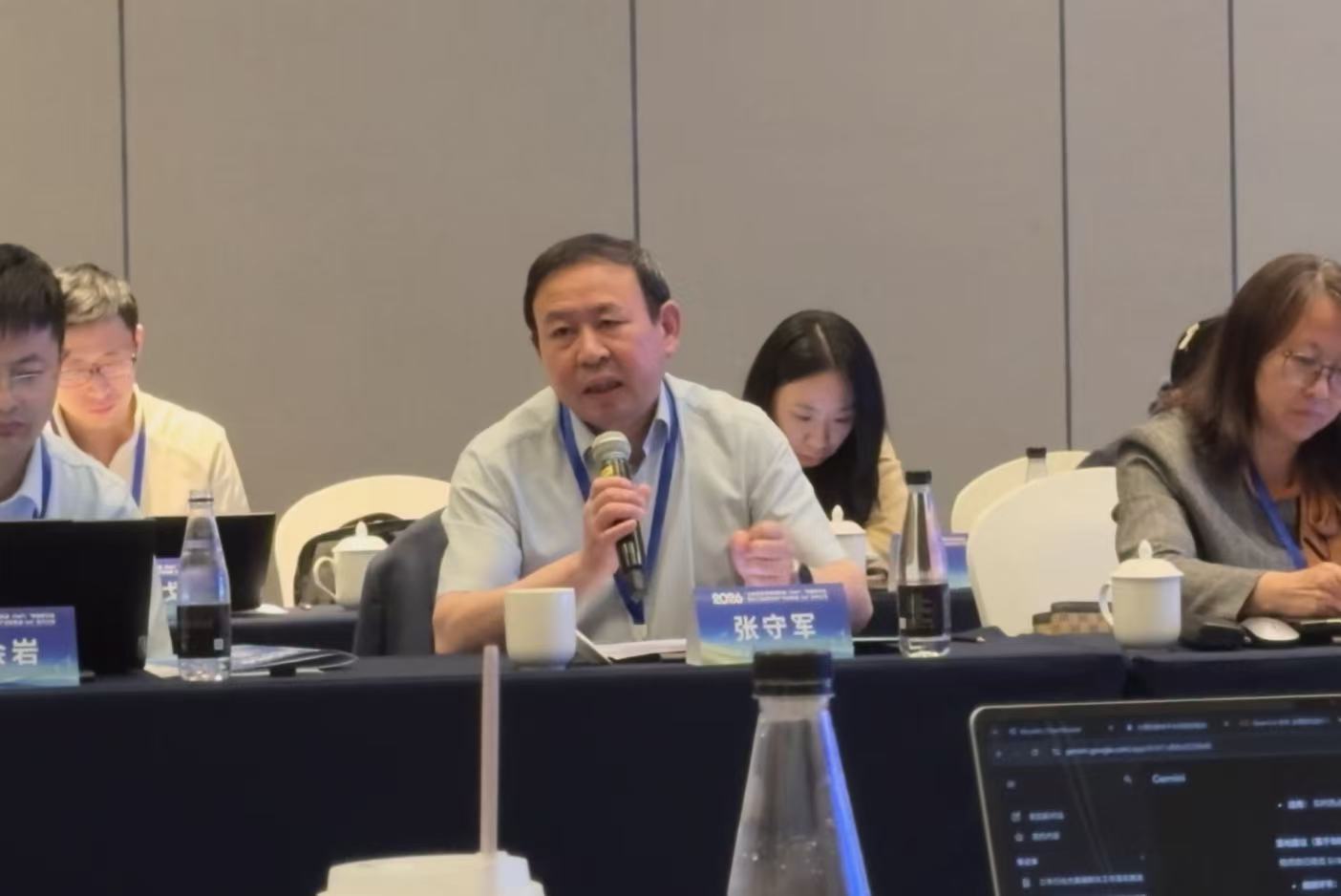
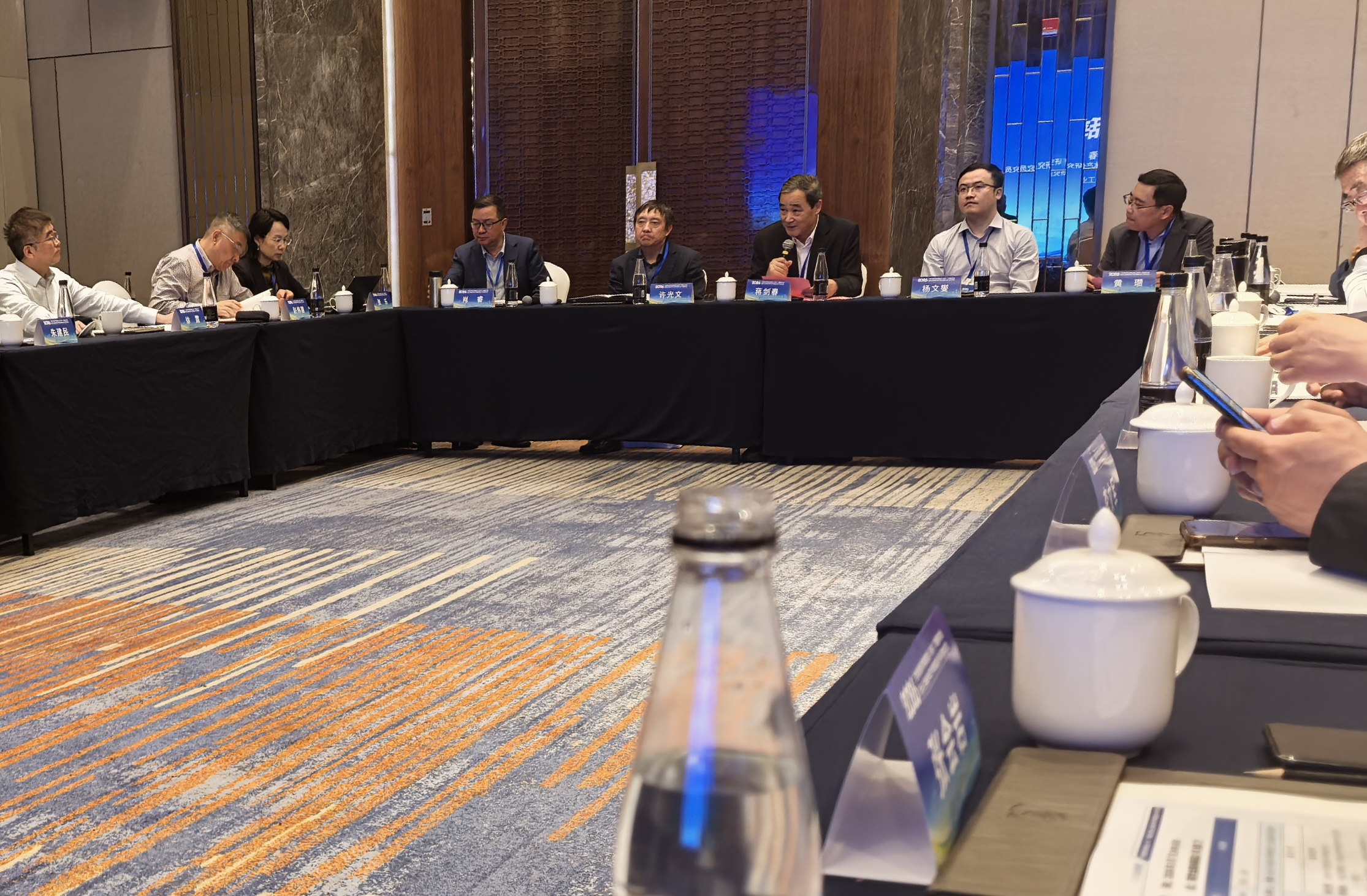
During the discussion, Chairman Zhang Shoujun summarized the development of the SAF industry as “one core and three pillars”: with sustainability at its core, the industry must balance long-term, large-scale economic, environmental, and social development, supported by the coordinated efforts of three pillars. First, a diverse and pragmatic approach to technology, encouraging exploration of multiple pathways such as biomass pyrolysis and catalytic conversion, while focusing on the engineering challenges involved in scaling up from laboratory results to 10,000-ton-scale industrialization, and promoting collaboration among industry, academia, and research institutions to bridge the technology transfer gap; Second, the synergy between cost reduction and policy measures: building on cost reductions achieved through technological innovation and economies of scale, and supplemented by a combination of policies—including mandatory blending mandates, fiscal and tax incentives, and green finance guidance—to safeguard the industry’s initial growth; Third, the co-creation of a win-win ecosystem: fostering a shared-benefit industrial ecosystem across raw materials, technology, production, and application, while establishing an LCA (Life Cycle Assessment) calculation and certification system aligned with international standards to provide a “passport” for SAF commercialization. Only when technology, business, and institutional frameworks work in concert can SAF truly become a viable solution for achieving carbon neutrality.
As an industry pioneer with two decades of deep expertise in the biomass energy sector, Hefei Debo will continue to focus on innovative breakthroughs and industrial applications of high-efficiency biomass gasification technology. The company will actively participate in building the SAF industrial ecosystem, promote collaborative research and development among industry, academia, research institutions, and end-users, and help extend the resource utilization of agricultural and forestry waste into high-value-added fields such as aviation fuel. In the future, Debo Energy will continue to make strides in the green sector of producing sustainable aviation fuel from biomass, contributing significantly to China’s aviation industry in achieving its “dual carbon” goals.